Understanding Commercial Roof Types for Coatings
Commercial roofing systems are designed to protect large structures from the elements, and understanding the various types available is crucial for effective maintenance and repair. Different commercial roof types have unique properties that dictate their suitability for specific climates, building designs, and budget considerations. Super Roofers offers expertise in evaluating and servicing a wide array of commercial roofing solutions.
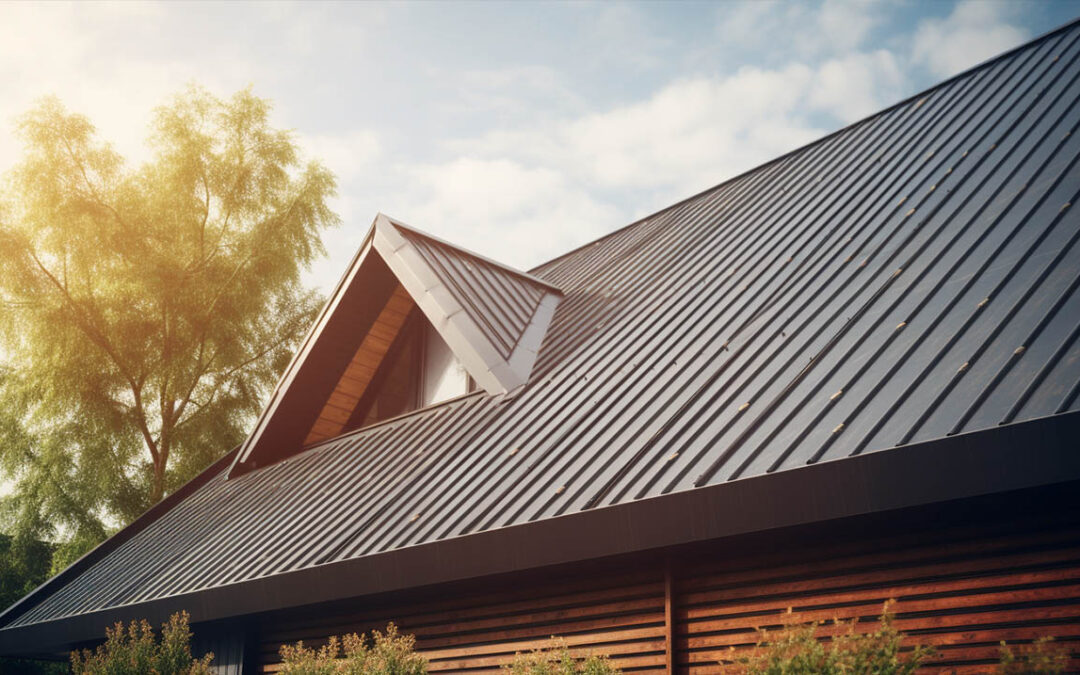
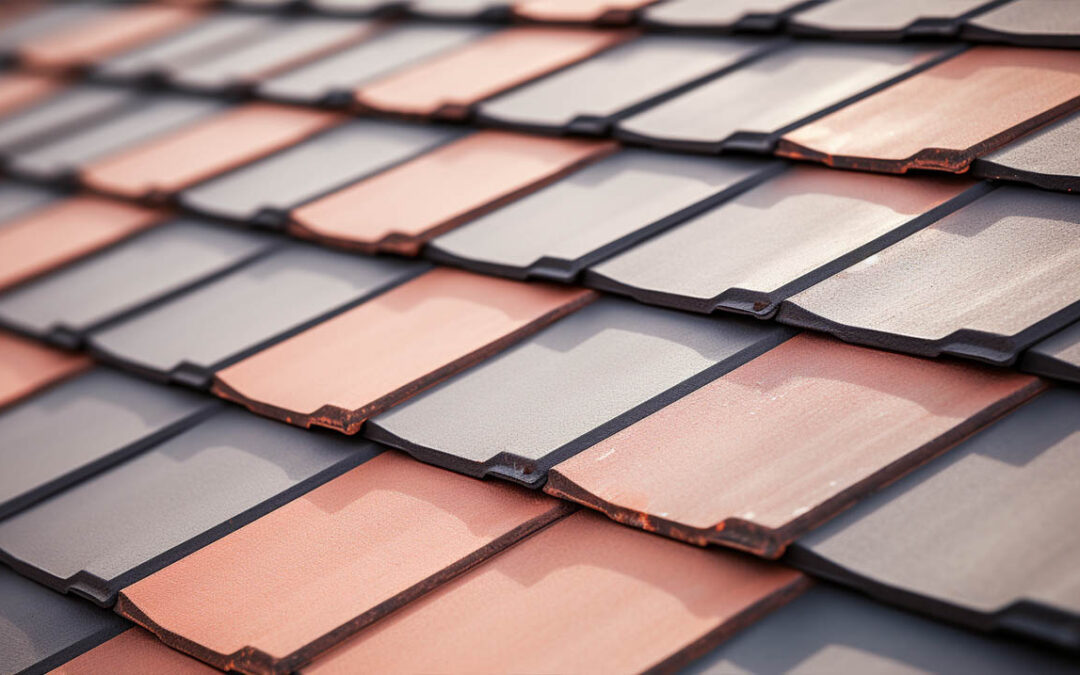
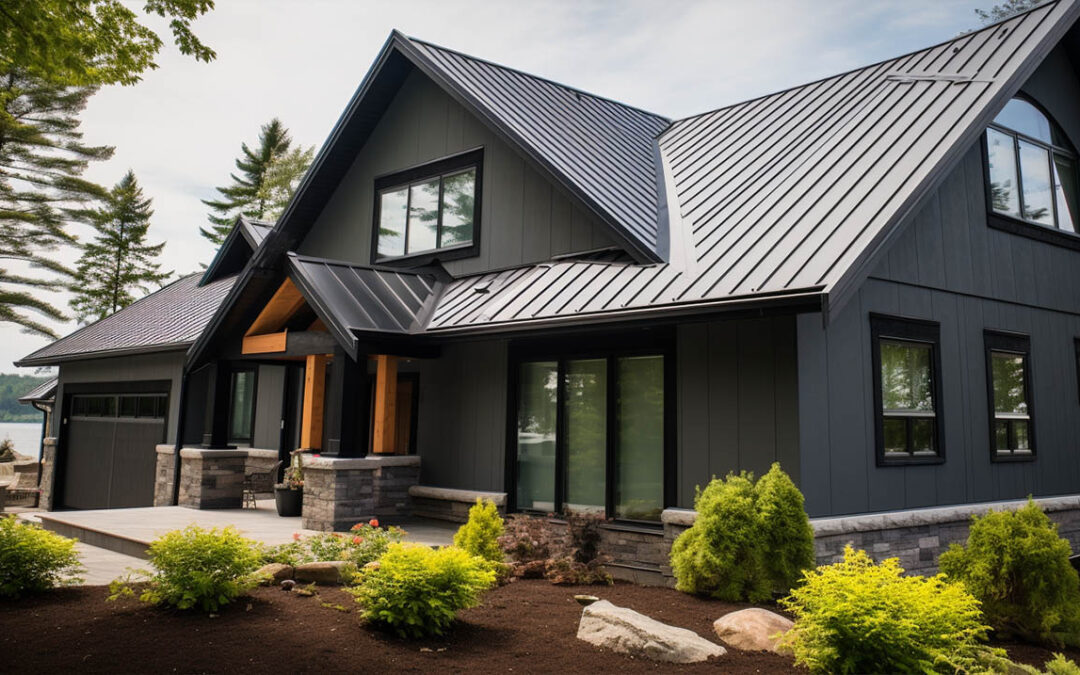
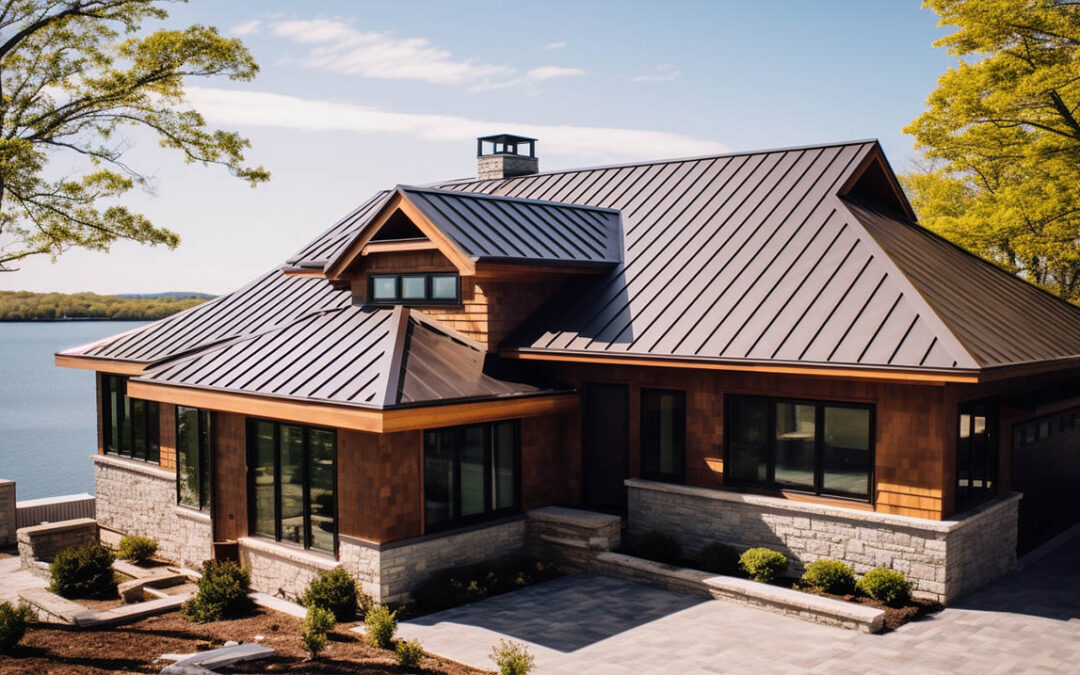
Common commercial roof types include Built-Up Roofing (BUR), Modified Bitumen, Single-Ply Membranes (like TPO, EPDM, and PVC), and Metal Roofing. Each material offers distinct advantages in terms of durability, energy efficiency, installation complexity, and cost. For instance, single-ply membranes are known for their flexibility and ease of installation, while metal roofs offer exceptional longevity and fire resistance.
The Implications of Delaying Roof Replacement: Why Timely Action Matters
Postponing essential roof replacements can lead to a cascade of costly problems that extend beyond the initial repair expenses. A compromised roof can allow water infiltration, leading to structural damage, mold growth, and compromised insulation, all of which significantly increase overall home repair costs and can impact indoor air quality.
The consequences of delaying roof replacement can include weakened structural integrity, damaged ceilings and walls, electrical hazards from water and wire contact, and increased energy bills due to poor insulation. Addressing roof issues promptly with Super Roofers ensures the long-term safety, comfort, and value of your property.
Unraveling the Mystery of Wavy Roofs: Causes, Implications, and Solutions
Wavy or sagging roof sections are a visual indicator of underlying issues that require immediate attention. This phenomenon, often referred to as roof sagging, can stem from a variety of factors, including structural damage, inadequate support, or the cumulative effects of weather and age. Identifying the root cause is the first step towards a lasting solution.
The primary causes of wavy roofs can include compromised roof decking, failing rafters or trusses, excessive weight from snow or debris, or moisture damage leading to rot. Addressing wavy roofs involves a thorough inspection by roofing professionals like Super Roofers to determine the extent of the damage and implement the appropriate structural repairs or full roof replacement.
Unraveling the Telltale Signs of Substandard Roofing Installation
Substandard roofing installation can manifest in numerous ways, often leading to premature roof failure and significant repair costs. Recognizing these warning signs early on is critical for homeowners to prevent further damage and ensure the integrity of their home's protection against the elements.
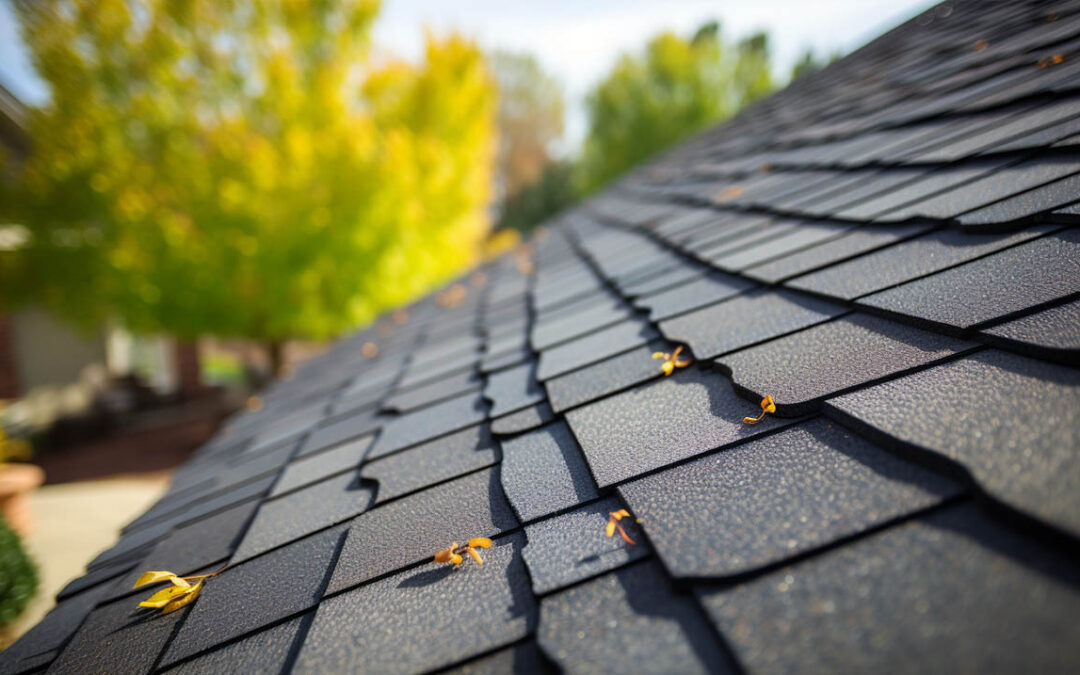
Common indicators of poor roofing installation include uneven shingle alignment, visible nail pops, improper flashing around vents and chimneys, inadequate ventilation, and the presence of debris on the roof after installation. Super Roofers emphasizes the importance of professional installation to guarantee longevity and performance.