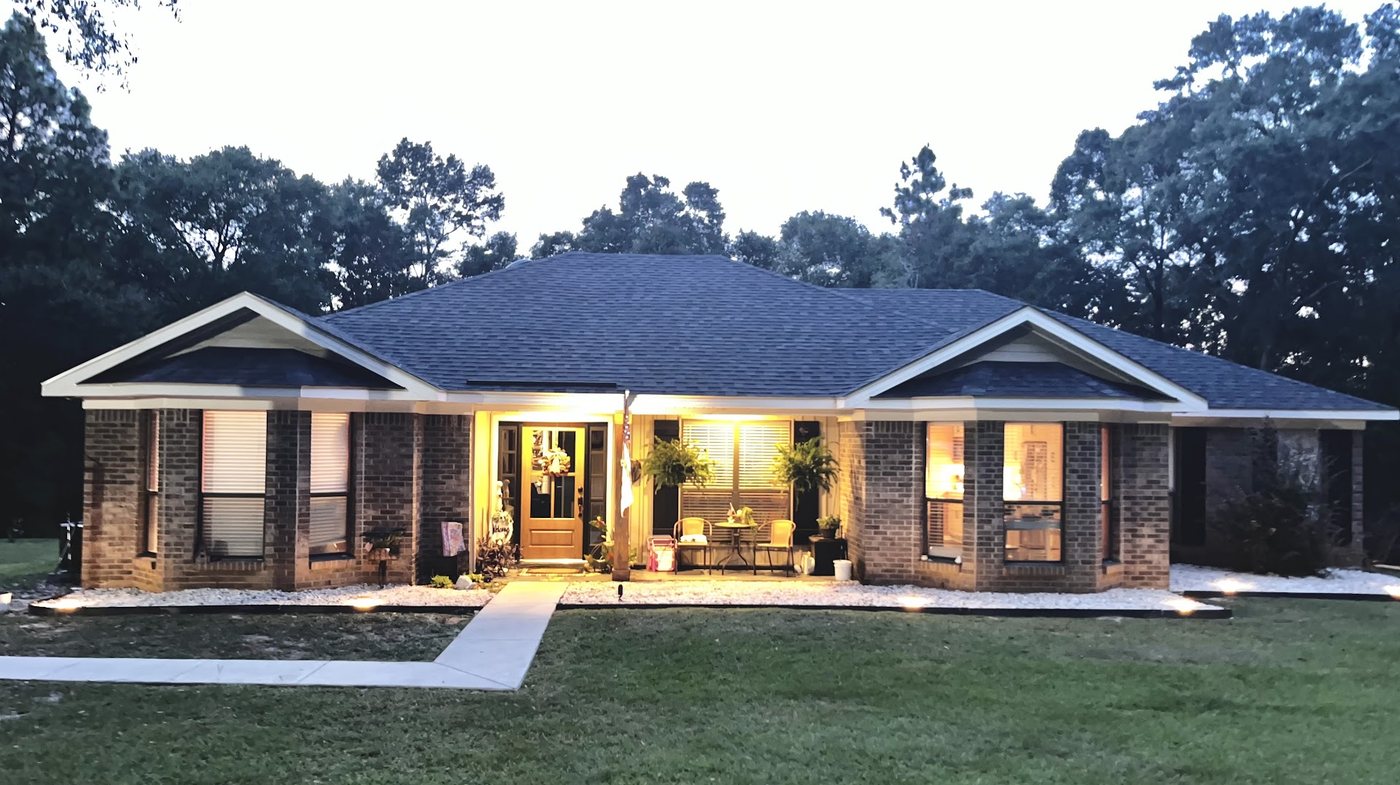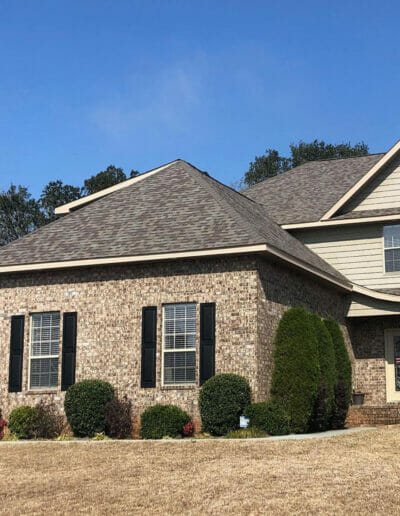
- Make observations from a safe location and arrange professional access where needed.
- An ice-dam history can involve attic conditions as well as the roof covering.
- Share past leaks, affected rooms and repair history when requesting an assessment.
Begin with observations you can make safely
From the ground, look for obvious changes such as displaced roof covering, loose-looking edge components, accumulated debris, or visible drainage problems. Indoors, note water stains, unusual dampness, and when a leak has occurred. These observations help you explain the issue without trying to diagnose it from one photo.
Do not climb onto a snowy, icy, or otherwise unsafe roof to investigate. If access is needed, arrange an assessment with a professional who can evaluate the conditions and the appropriate method of inspection.
Treat repeated ice dams as a system question
Ice-dam concerns should prompt a look at the roof and attic together. The U.S. Department of Energy explains that air sealing, insulation, and appropriate ventilation can help reduce heat transfer associated with ice-dam formation. The correct approach depends on the assembly.
ENERGY STAR also lists a history of ice dams and damp insulation among the signs that warrant further investigation. Before deciding that a new roof covering alone will solve the problem, discuss the history with the contractor and consider whether attic or building-energy evaluation is needed.
Technical references: U.S. Department of Energy: Eaves sealed in cold climates, ENERGY STAR: Identify the problems you want to fix
Gather this information before an inspection
A useful assessment connects those observations with the roof’s visible condition. Keep records of what happened and when; the timing can be as useful as a close-up image of the stain.
- The rooms and roof sections affected by previous leaks.
- Whether problems followed rain, snow, melting, or a particular wind direction.
- Any history of ice accumulation along roof edges.
- Approximate roof age and records of previous repairs, if available.
- Photos taken safely that show changes over time.
- Access limitations and any areas you want reviewed.
Discuss roof edges, transitions and drainage
Ask whether the proposed assessment covers flashing at penetrations and wall transitions, roof-edge details, and drainage paths. A problem near an edge may need a different scope from a damaged area in the field of the roof.
If replacement is being considered, ask how the selected underlayment, flashing, ventilation, and related work will be described in the estimate. Identify any attic work that requires a separate scope or another specialist, rather than assuming it is included.
Plan the next step before conditions worsen
For a property in Monroe County, Michigan, or Lucas County, Ohio, contact Super Roofers at (734) 371-8707. Explain the issue, the property location, and whether you are looking for an inspection, repair, or replacement estimate.
Scheduling and the work that can be performed depend on the actual conditions and proposed materials. Get the assessment and scope explained in writing so you understand what is recommended now and what may need further evaluation.
Common questions
Does an ice dam prove my shingles are defective?
No. An ice-dam history can involve the relationship between the roof assembly, attic heat transfer, insulation, air leakage and ventilation. The property needs an assessment before a cause or scope is assigned.
Should I walk on the roof to check for winter damage?
Make observations from a safe location. Roof access should be evaluated by an appropriate professional, particularly when snow, ice or other hazards are present.
Sources & further reading
- U.S. Department of Energy: Eaves sealed in cold climates ↗
- ENERGY STAR: Identify the problems you want to fix ↗
Product instructions and requirements can change. Confirm the current documents for your selected system and property.