Standing seam
Raised seams conceal most attachment points. Panel design and installation details influence appearance, movement, and weather performance.
Standing seam and exposed-fastener systems have different appearances, attachment methods, and maintenance needs. We help you compare the options based on roof slope, property exposure, budget, and the specific product.
Standing seam and exposed-fastener metal systems differ in appearance, attachment, maintenance, and installed cost. Roof slope, exposure, product specifications, and the full installed scope help determine the suitable option.
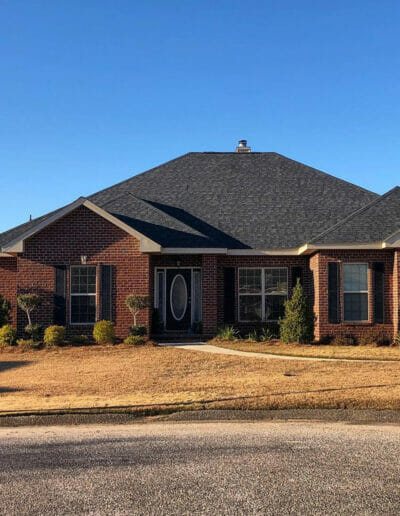
Raised seams conceal most attachment points. Panel design and installation details influence appearance, movement, and weather performance.
Visible screws attach the panels. Fastener condition and sealing washers are part of ongoing maintenance. Compare full installed scope, not just panel price.
Coastal homes. Inland neighborhoods.
Escambia County ↗Santa Rosa County ↗Coastal homes. Inland neighborhoods.
Mobile County ↗Baldwin County ↗Great Lakes homes. Four-season protection.
Monroe County ↗Lucas County ↗A straightforward process, from the first conversation to the final walkthrough.
Tell us about the property. We review the roof and explain what we find.
Compare your options, materials, and included work before making a decision.
Agree on scheduling, access, protection, and the installation plan.
Review the completed scope, cleanup, and applicable warranty documents.
Standing-seam systems use raised panel seams and typically conceal most fasteners. Exposed-fastener panels are attached with visible screws and sealing washers. Compare the product specifications, roof-slope requirements, attachment details, and maintenance expectations before selecting a system.
Price depends on roof size, slope, access, tear-off requirements, materials, flashings, ventilation, and decking repairs. Compare written scopes rather than price alone. Super Roofers provides an instant estimator as a starting point; final pricing and scope are confirmed after a property assessment.
A workmanship warranty addresses covered installation work under the contractor’s written terms. A manufacturer warranty addresses covered product issues under the manufacturer’s terms. Duration, exclusions, transfer rules, and claim requirements depend on the actual documents for the selected project.